Florida HVAC Maintenance Checklist: How to Help Your AC Last Longer
https://sunshinestateac.com/wp-content/themes/osmosis/images/empty/thumbnail.jpg 150 150 Sunshine State Blog Writer Sunshine State Blog Writer https://secure.gravatar.com/avatar/294982f031237dd23e5640a332127fac4f5890cf4cd1d16b981e9d27f961d32c?s=96&d=mm&r=gFlorida HVAC Maintenance Checklist: How to Help Your AC Last Longer
Your HVAC system is one of the hardest-working and most important systems in your Florida home. In places like Palm Coast, Bunnell, Flagler Beach, St. Augustine, Ormond Beach, and the surrounding Flagler, Volusia, and St. Johns County areas, your air conditioner does not get much of a break.
Between long cooling seasons, high humidity, salty coastal air, summer storms, and heavy daily use, Florida AC systems work harder than systems in many other parts of the country. That is why routine HVAC maintenance is not just a nice idea. It is one of the best ways to protect your comfort, reduce repair risk, and help your system last as long as possible.
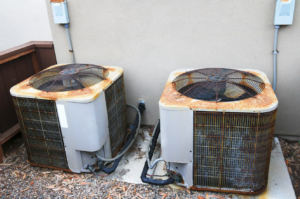
Don’t let your AC end up like this!At Sunshine State Heating & Air Conditioning, we believe maintenance should be simple, practical, and proactive. A little attention throughout the year can go a long way toward preventing surprise breakdowns and keeping your home cool when you need it most.
Why HVAC Maintenance Matters So Much in Florida
Many common AC problems start small. A dirty filter, clogged drain line, weak capacitor, dirty coil, restricted airflow, or minor refrigerant issue may not seem urgent at first. But over time, these issues can force your system to work harder than it should.
When your system works harder, it can lead to:
- Higher electric bills
- Reduced cooling performance
- More frequent repairs
- Uneven temperatures
- Poor humidity control
- Shorter equipment lifespan
- Emergency breakdowns during peak heat
ENERGY STAR notes that dirty coils, incorrect refrigerant levels, and poor airflow can reduce efficiency, increase operating costs, and shorten the life of HVAC equipment.
Helpful resource: ENERGY STAR HVAC Maintenance Checklist
The good news is that many of these issues can be caught early with consistent homeowner habits and professional maintenance.
Monthly HVAC Maintenance Checklist for Florida Homeowners
These simple monthly checks can help keep your AC system running smoothly.
- Check Your Air Filter
Your air filter is one of the easiest and most important maintenance items. A dirty filter restricts airflow, makes your system work harder, and can affect indoor air quality.
In Florida, it is smart to check your filter every month, especially during the summer. Many filters should be replaced every 1 to 3 months, but homes with pets, allergies, heavy dust, or frequent AC use may need more frequent replacement.
Helpful resource: Energy.gov: Air Conditioner Maintenance
- Keep Vents and Returns Open
Walk through your home and make sure supply vents and return vents are not blocked by furniture, rugs, curtains, or storage items. Blocked vents can restrict airflow and create hot spots in certain rooms.
If one room in your home always feels warmer than the others, airflow may be part of the problem.
- Watch for Water Around the Indoor Unit
Your AC removes moisture from the air and drains it through the condensate line. If that line clogs, water can back up and cause problems.
Look for signs like:
- Water around the indoor unit
- Musty odors
- AC shutting off unexpectedly
- A wet drain pan
- Unusual humidity indoors
If you notice any of these issues, schedule service before the problem gets worse.
- Listen for New Noises
You know how your system normally sounds. If you hear grinding, buzzing, rattling, clicking, or loud startup noises, do not ignore them. Strange sounds can point to loose parts, electrical issues, motor problems, or other early warning signs.
Catching these issues early can often prevent larger repairs.
- Pay Attention to Comfort Changes
If your home feels warmer, stickier, or less comfortable than usual, your system may be struggling. Florida humidity can make comfort problems more noticeable, especially if your AC is not removing enough moisture.
If the AC is running but your home still feels humid, it may be time for a professional evaluation.
Seasonal HVAC Maintenance Checklist
Some maintenance items should be checked every few months, especially before peak cooling season.
- Clear the Area Around the Outdoor Unit
Your outdoor condenser needs space to breathe. Keep grass, leaves, weeds, branches, and debris away from the unit. Try to maintain clear space around the equipment so air can move freely.
After storms, take a quick look at the outdoor unit to make sure debris has not collected around it.
- Check Thermostat Settings
Make sure your thermostat is set correctly and working properly. If your home feels humid, check whether the fan is set to “On” or “Auto.” In many homes, “Auto” is better for humidity control because the fan runs only during active cooling cycles.
If you have an older thermostat, upgrading to a programmable or smart thermostat may help improve comfort and energy control.
- Look for Rising Energy Bills
A sudden increase in your electric bill may mean your AC is working harder than normal. Dirty coils, clogged filters, airflow problems, refrigerant issues, or aging equipment can all affect efficiency.
If your bill keeps climbing but your comfort is getting worse, schedule an inspection.
Professional HVAC Maintenance: What Should Be Included?
Some tasks should always be handled by a trained HVAC technician. A professional tune-up is designed to clean, inspect, test, and identify small problems before they turn into expensive repairs.
A quality maintenance visit may include:
- Cleaning evaporator coils
- Cleaning condenser coils
- Cleaning the condensate line and drain pan
- Checking refrigerant charge and looking for signs of leaks
- Inspecting electrical components
- Testing capacitors
- Checking amp and voltage draw
- Inspecting motors and compressors
- Checking temperature split
- Testing system performance
- Inspecting airflow
- Looking for early signs of wear
Sunshine State’s Always Sunny Club Maintenance Plan is designed to give Florida homeowners consistent system care, priority service benefits, repair discounts, and bi-annual inspections and tune-ups.
Florida-Specific AC Maintenance Concerns
HVAC maintenance in Florida is different from maintenance in cooler, drier climates. Local conditions matter.
- Humidity
Florida humidity puts extra strain on your AC system because your equipment has to cool the air and remove moisture. Poor humidity control can make the home feel uncomfortable even when the thermostat setting looks right.
- Salt Air
Homes near the coast, including areas around Flagler Beach, Palm Coast, and St. Augustine, may experience more exposure to salt air. That can contribute to wear on outdoor equipment over time.
- Storm Season
Heavy rain, lightning, wind, and debris can all affect outdoor HVAC equipment. After major storms, it is a good idea to visually inspect the outdoor unit and schedule service if anything looks or sounds unusual.
- Year-Round Runtime
Florida AC systems often run for much of the year. That means filters, coils, drain lines, motors, and electrical components may need more frequent attention than systems in milder climates.
When Maintenance May Not Be Enough
Routine maintenance can help your system last longer, but every AC system eventually reaches the point where repair costs and comfort issues start adding up.
It may be time to talk about replacement if:
- Your system is 10 to 15 years old
- Repairs are becoming frequent
- Your energy bills keep rising
- Some rooms never cool properly
- Your AC runs constantly
- Your home feels humid even when the AC is on
- Repair costs are approaching the cost of replacement
Sunshine State Heating & Air Conditioning can inspect your current system and give you honest guidance on whether repair, maintenance, or replacement makes the most sense.
Indoor Air Quality and Ductwork Matter Too
Your HVAC system is connected to the air your family breathes. Dirty ducts, poor filtration, biological growth, odors, and airborne particles can all affect comfort and air quality.
If your home has musty smells, allergy concerns, visible dust buildup, or uneven airflow, ask about Sunshine State’s Air Quality solutions and Duct Cleaning services.
Keep Your AC Running Strong with Sunshine State
Extending the life of your HVAC system is not complicated. It comes down to consistent filter changes, smart homeowner habits, seasonal awareness, and professional maintenance from a team that understands Florida homes.
Sunshine State Heating & Air Conditioning proudly serves homeowners in Palm Coast, Bunnell, Flagler Beach, St. Augustine, Ormond Beach, Flagler County, Volusia County, and St. Johns County.
Whether you need a seasonal AC tune-up, emergency repair, indoor air quality help, duct cleaning, or a full system evaluation, our team is ready to help you stay cool, comfortable, and confident.
Call Sunshine State Heating & Air Conditioning at (386) 627-5500 or ask about joining the Always Sunny Club today.
Suggested Internal Links